Free Resources

Your Superfood Library

Everything you need to start your superfood journey—guides, recipes, FAQ, and more.

Free Downloadable Guides

📘

Superfood Quick Start Guide

A beginner's guide to incorporating superfoods into your daily routine. Includes shopping lists and meal ideas.

🥗

7-Day Meal Plan

Complete week of superfood-powered meals with grocery list and prep instructions.

🛒

Superfood Shopping Guide

How to identify quality superfoods, where to buy them, and what to avoid.

Free Recipes

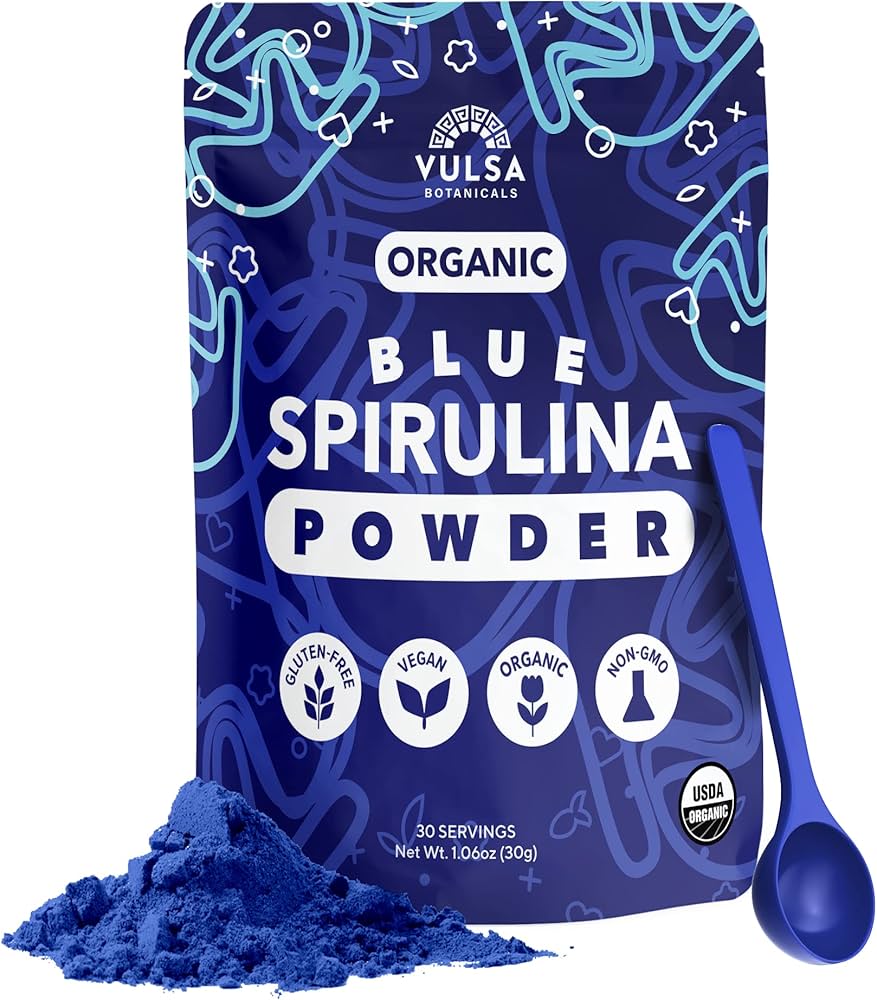
Spirulina superfood smoothie
Green Protein Smoothie

With spirulina & hemp seeds

Superfood bowl
Superfood Buddha Bowl

Nutrient-dense lunch
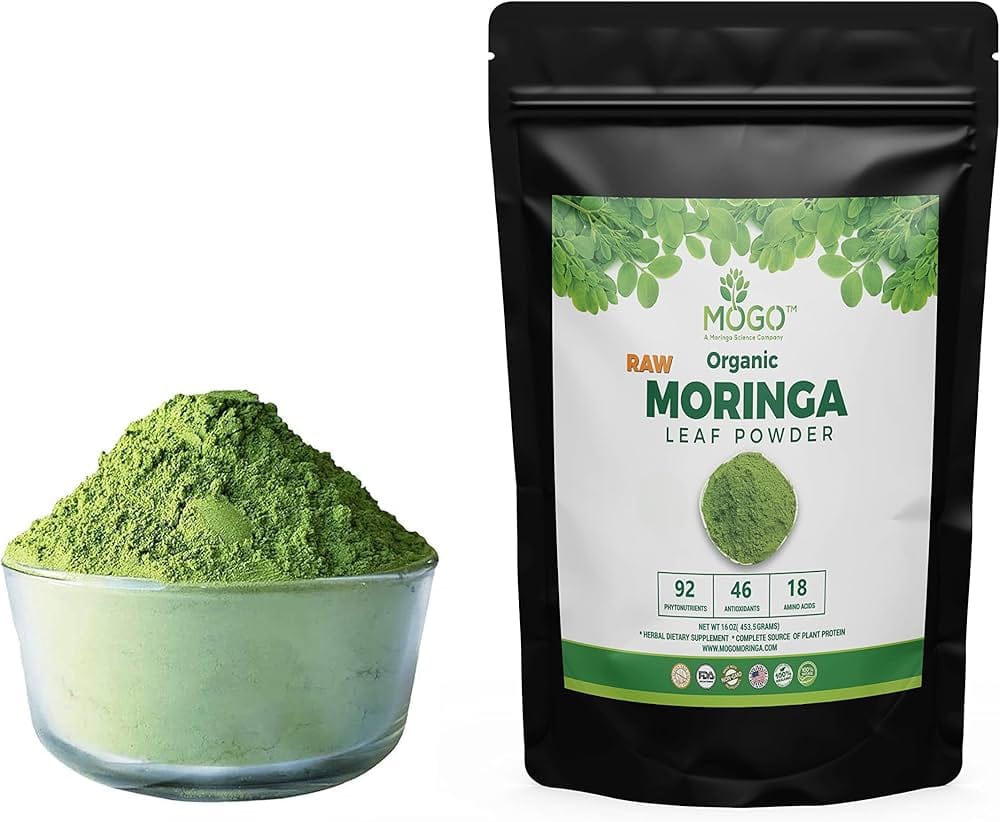
Moringa energy balls
Moringa Energy Balls

Quick healthy snack

Golden milk
Golden Milk Latte

Anti-inflammatory drink

Frequently Asked Questions

What exactly are superfoods?

Superfoods are nutrient-dense foods that provide exceptional health benefits relative to their caloric content. They're typically rich in vitamins, minerals, antioxidants, and other beneficial compounds. Examples include spirulina, moringa, duckweed, berries, and certain seeds.

Are superfoods scientifically proven?

Yes and no. While "superfood" is a marketing term, the exceptional nutritional profiles of these foods are scientifically documented. Many have peer-reviewed research supporting their health benefits. We cite all scientific sources in our articles and guides.

How much do superfoods cost?

Costs vary widely. Some superfoods like blueberries and spinach are affordable and widely available. Others like spirulina powder or sea moss may cost more initially but last a long time since you use small amounts. Our Shopping Guide helps you find budget-friendly options.

Can I grow my own superfoods?

Absolutely! Many superfoods are surprisingly easy to grow at home. Moringa trees thrive in warm climates, duckweed can grow in a small pond or container, and sprouts like broccoli sprouts are incredibly easy. Our Complete Duckweed Guide includes detailed growing instructions.

Are superfoods safe for everyone?

Most superfoods are safe for healthy adults, but some people should exercise caution. If you're pregnant, nursing, taking medications, or have health conditions, consult your healthcare provider before adding new superfoods. Start with small amounts to assess tolerance.

How quickly will I see results?

This varies by individual and superfood. Some people notice increased energy within days, while other benefits like improved biomarkers may take weeks or months. Consistency is key—superfoods work best as part of a long-term healthy lifestyle.

Where should I buy superfoods?

Quality matters! Buy from reputable sources that test for purity and contaminants. Health food stores, reputable online retailers, and some grocery stores carry quality superfoods. Check our Shopping Guide for specific brand recommendations and red flags to avoid.

Can superfoods replace a healthy diet?

No. Superfoods should complement, not replace, a varied whole-food diet. They're a powerful addition to an already healthy lifestyle that includes diverse vegetables, fruits, whole grains, healthy fats, and adequate sleep and exercise.

Superfood Glossary

Adaptogen

Substances that help the body adapt to stress and maintain balance. Examples: ashwagandha, rhodiola.

Antioxidant

Compounds that protect cells from damage by free radicals. Found abundantly in berries, cacao, and spirulina.

Bioavailability

The degree to which nutrients are absorbed and used by the body. Enhanced by proper preparation and food combining.

Chlorophyll

Green pigment in plants that may support detoxification and provide antioxidant benefits.

Complete Protein

Protein containing all nine essential amino acids. Examples: duckweed, spirulina, hemp seeds.

Phycocyanin

Blue pigment in spirulina with powerful antioxidant and anti-inflammatory properties.

Phytonutrients

Beneficial plant compounds with health-promoting properties. Include flavonoids, carotenoids, and polyphenols.

Omega-3 Fatty Acids

Essential fats with anti-inflammatory properties. Found in chia seeds, hemp seeds, and algae.

Free Radicals

Unstable molecules that can damage cells. Neutralized by antioxidants from superfoods.

Micronutrients

Vitamins and minerals needed in small amounts for optimal health. Superfoods are exceptionally rich in these.

Polysaccharides

Complex carbohydrates that may support immune function. Found in mushrooms and sea moss.

Trace Minerals

Essential minerals needed in tiny amounts. Sea moss contains 92 of these.

Recommended Reading

Scientific Resources

Books We Recommend

  • "How Not to Die" by Dr. Michael Greger - Evidence-based nutrition
  • "The China Study" by T. Colin Campbell - Plant-based nutrition research
  • "Eating on the Wild Side" by Jo Robinson - Maximizing food nutrients
📚

Want Even More Resources?

Subscribe to get exclusive guides, meal plans, and resources delivered to your inbox.

We respect your privacy. Unsubscribe anytime.